
Professional window installation and replacement can improve comfort, reduce drafts, protect your home from moisture, and refresh its appearance. The right results depend on more than choosing a window. Proper measurements, product selection, flashing, sealing, and installation all matter in Michigan’s changing climate.
Union Properties helps homeowners throughout Port Huron and Southeast Michigan make practical window decisions based on the condition of the home, the goals for the project, and the details that affect long-term performance.
What Is Window Installation and Replacement?
Window installation and replacement is the process of removing or modifying an existing window assembly and installing a new unit that fits, drains, seals, and operates correctly.
The scope may involve replacing only the window within an existing frame or removing the full unit down to the rough opening. The right approach depends on the frame’s condition, signs of moisture, the home’s construction, and the homeowner’s goals.
A well-planned project should address four key areas:
- Fit: The window must be measured and sized for the opening.
- Water management: Flashing and exterior details must direct water away from the wall.
- Air sealing: Gaps around the unit must be properly insulated and sealed.
- Operation: The window should open, close, lock, and drain as intended.
That is why window replacement is not simply a matter of ordering a standard-size unit and fastening it into place. The surrounding wall, trim, siding, insulation, and existing damage can all affect the work.
How Do You Know When Your Windows Need to Be Replaced?
A window does not always need replacement because it is old. Some older windows can remain serviceable with maintenance, new weatherstripping, repaired hardware, or exterior sealing.
Replacement becomes more practical when the window has ongoing performance or structural problems that smaller repairs cannot reasonably correct.
What are the most common signs of failing windows?
Look for patterns rather than one isolated symptom. Common warning signs include:
- Drafts around the sash or frame
- Condensation or fogging between panes
- Soft, cracked, or deteriorated framing
- Water staining near the window
- Peeling paint or damaged interior trim
- Windows that stick, bind, or will not stay open
- Locks that no longer align
- Loose glass or failing glazing
- Noticeable outside noise
- Cold interior glass and uncomfortable areas near the window
- Repeated caulk failure around the exterior
- Visible gaps between the frame and surrounding materials
Condensation on the room-facing surface does not automatically mean the window has failed. Indoor humidity, outdoor temperatures, window coverings, and limited airflow can all contribute to surface condensation.
Fog or moisture between the panes is different. It usually indicates that the seal in an insulated glass unit has failed.
Can drafty windows be repaired?
Sometimes. Worn weatherstripping, small sealant gaps, loose hardware, and sash-alignment issues may be repairable.
However, repeated drafts may point to a larger installation problem, such as:
- Poor insulation around the frame
- Incorrect window sizing
- Movement in the opening
- Failed seals
- Deteriorated components
- Gaps between the window and wall assembly
A professional inspection can help separate a straightforward maintenance issue from a condition that calls for replacement.
Should you replace every window at once?
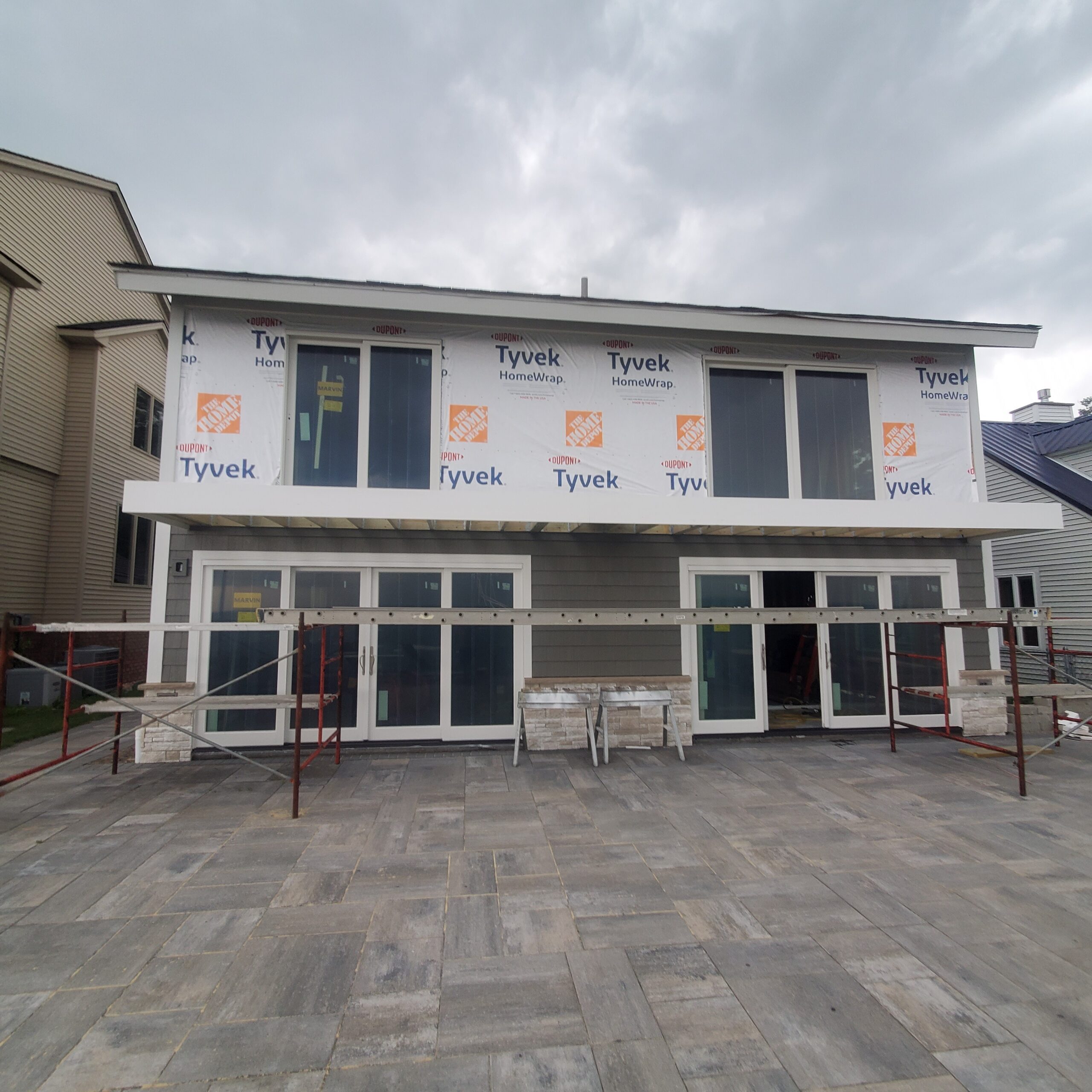
Not necessarily. Homeowners may replace windows in phases when only certain units are failing or when they want to spread the project over time.
Replacing multiple windows together can make sense when:
- Most units are a similar age and condition
- The home has widespread drafts or seal failure
- Siding or exterior trim work is also planned
- The homeowner wants consistent styles and finishes
- Repeated service visits would create unnecessary disruption
At Union Properties, we evaluate the home as a system rather than assuming every window needs the same solution.
Why Does Professional Window Installation Matter in Michigan?
Michigan homes experience winter cold, summer heat, wind-driven rain, snow, moisture, and repeated freeze-thaw cycles. Near the lakeshore, wind and exposure can place even more pressure on exterior materials and installation details.
A high-quality window cannot perform as intended when it is installed poorly. Even small gaps or drainage mistakes may lead to drafts, condensation, damaged finishes, or hidden moisture over time.
How does Michigan weather affect windows?
Seasonal temperature changes cause building materials to expand and contract. Sealants, trim, siding, framing, and window components must work together while responding to that movement.
Installation details should account for:
- Cold-weather air leakage
- Wind-driven rain
- Snow and ice accumulation
- Moisture drainage
- Seasonal expansion and contraction
- Interior humidity during winter
- Lakeshore wind exposure
- Existing wall and siding conditions
The goal is not to make the opening depend on one bead of caulk. A durable installation uses overlapping layers and appropriate flashing details to help water move down and away from the wall.
Can poor installation cause water damage?
Yes. Water may enter around a window when flashing is missing, incorrectly layered, damaged, or incompatible with surrounding materials. Failed exterior sealant, deteriorated trim, siding problems, and poor drainage can also contribute.
Moisture may not always appear immediately. It can travel behind trim or siding before becoming visible indoors.
Possible signs include:
- Staining below the window
- Swollen trim
- Peeling paint
- Musty odors
- Soft drywall or wood
- Repeated sealant failure
- Discoloration around the sill
- Insect activity near deteriorated wood
Replacing a window without addressing the path of the water may leave the underlying problem in place. Union Properties looks at the opening and adjacent exterior components so the project addresses more than the visible symptom.
What Is the Difference Between Insert and Full-Frame Window Replacement?
The two main approaches are insert replacement and full-frame replacement. Neither is universally better. The correct method depends on the existing frame and the project goals.
What is an insert window replacement?
An insert, sometimes called a pocket replacement, places a new window unit inside the existing frame. Much of the original frame and surrounding trim remains.
This method may be appropriate when:
- The existing frame is sound and square
- There is no meaningful rot or water damage
- The homeowner wants to preserve existing trim
- The current opening drains correctly
- A slightly smaller glass area is acceptable
Potential advantages include less disruption and fewer changes to finished surfaces. However, an insert cannot correct hidden deterioration in a frame that should have been removed.
What is a full-frame window replacement?
A full-frame replacement removes the existing window, frame, and related components down to the rough opening. This provides access to the surrounding area for inspection, repair, insulation, and new flashing.
Full-frame replacement may be appropriate when:
- The frame is rotted or deteriorated
- Water damage is present
- The opening is out of square
- The original installation has failed
- The homeowner wants to change the window style or size
- Interior or exterior trim already needs replacement
- The existing frame reduces too much visible glass area
Full-frame work is more involved, but it can provide the right opportunity to correct underlying conditions instead of covering them.
Which Window Styles Work Well for Michigan Homes?
Window style affects ventilation, cleaning, appearance, hardware, egress, and how the window fits the architecture of the home.
Common options include:
- Double-hung windows: Both sashes move vertically, offering a familiar appearance and flexible ventilation.
- Single-hung windows: The lower sash moves while the upper sash remains fixed.
- Casement windows: Hinged at the side and opened with a crank, often providing a tight seal when closed.
- Awning windows: Hinged at the top and opened outward, allowing ventilation during some light-rain conditions.
- Sliding windows: Move horizontally and can work well in wide openings.
- Picture windows: Fixed units designed for light and views rather than ventilation.
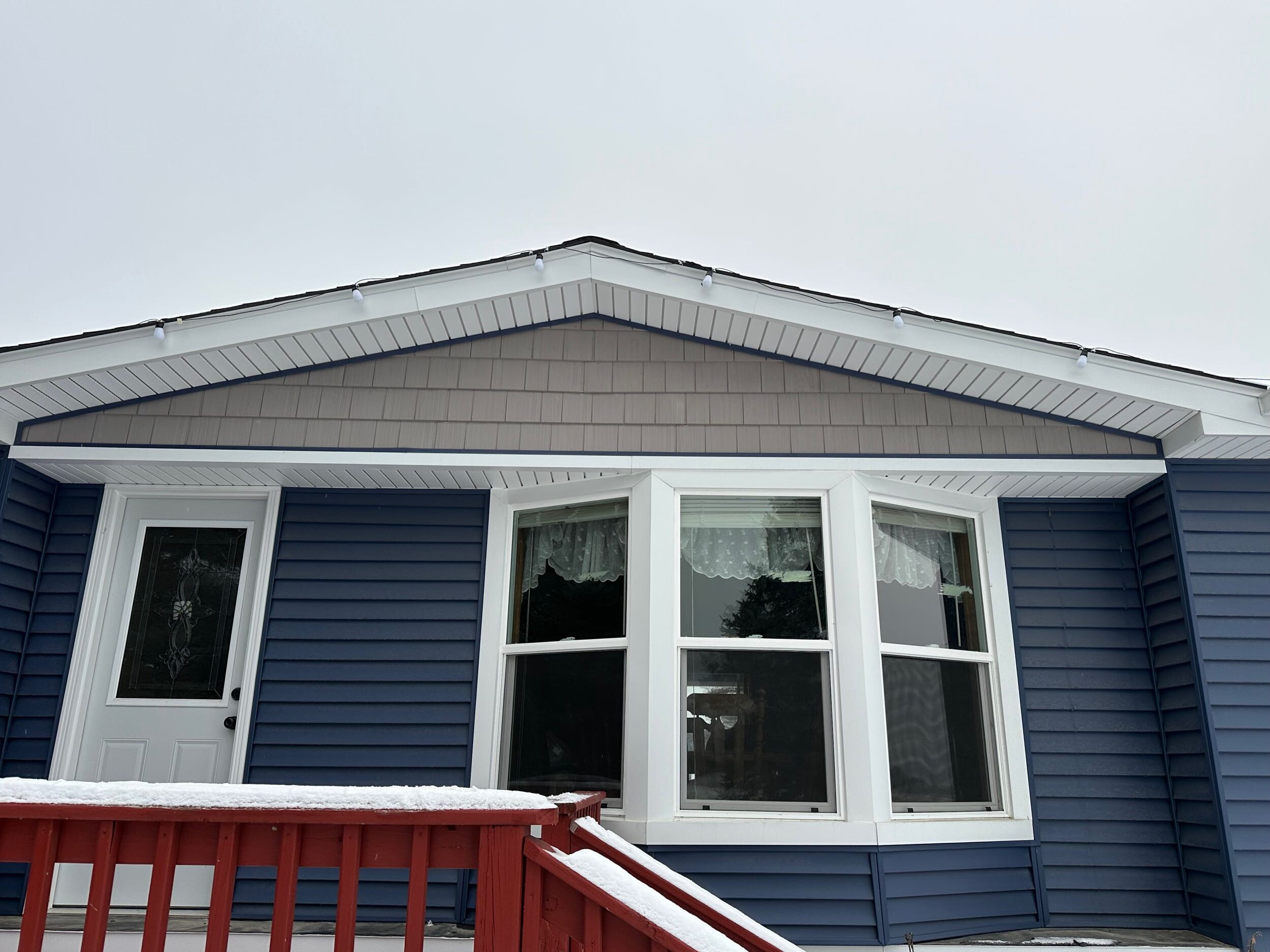
- Bay and bow windows: Project outward and can add interior space, dimension, and wider views.
- Specialty windows: Include custom shapes used as architectural features.
The best choice depends on the room and opening. A window above a kitchen counter may need different operation than a bedroom window, for example.
Bedrooms may also have emergency escape and rescue opening requirements. Confirm current requirements with the applicable local building department before selecting or changing a bedroom window.
Which Window Materials Should You Consider?
Window frame material affects maintenance, appearance, durability, insulation, and cost. There is no single best option for every home, so compare each material based on your priorities, the condition of the opening, and Michigan’s climate.
- Vinyl: Low maintenance and widely available
Vinyl windows do not require painting and are a common choice for replacement projects. Quality can vary, so compare frame construction, reinforcement, hardware, glass packages, colors, profiles, and manufacturer specifications. - Fiberglass: Stable and durable
Fiberglass frames are known for dimensional stability and clean sightlines. They may cost more than many vinyl options, but they can be a strong fit for homeowners who value durability and specific design choices. - Wood and wood-clad: Traditional appearance
Wood offers a warm, classic look that can work well in historic or detail-focused homes. Wood-clad windows combine a wood interior with a more weather-resistant exterior, but they may still require closer attention to finish quality, moisture protection, and maintenance. - Aluminum: Strong with slim profiles
Aluminum frames offer strength and narrow sightlines. Thermal performance varies, so look for products with features such as thermal breaks and review the full specifications carefully, especially for Michigan’s cold winters.
How Do You Compare Energy-Efficient Windows?
Do not judge efficiency by the number of panes alone. Compare the complete window and its rated performance.
ENERGY STAR-certified windows are independently tested, certified, and verified using ratings from the National Fenestration Rating Council. Homeowners should choose products suited to their climate zone rather than assuming the same window performs equally well everywhere. Use the ENERGY STAR climate-zone finder to review guidance for your Michigan county.
Important ratings and features include:
- U-factor: Measures heat transfer through the window. A lower number generally indicates better insulating performance.
- Solar heat gain coefficient: Measures how much solar heat enters through the window.
- Visible transmittance: Indicates how much visible light passes through.
- Air leakage: Measures the rate of air movement through the assembly.
- Condensation resistance: Indicates how well the product resists interior surface condensation under specific conditions.
- Low-emissivity glass: A low-e coating helps manage heat transfer through the glass.
- Gas fills: Argon or other gases may be used between panes to improve thermal performance.
- Warm-edge spacers: These can reduce heat transfer near the edge of the glass.
Are triple-pane windows always necessary?
No. Triple-pane windows may improve thermal comfort and sound control, but they also add cost and weight.
The decision may depend on:
- The home’s location and exposure
- Existing insulation and air sealing
- Window size and orientation
- Comfort concerns
- Noise levels
- Budget
- Frame and hardware design
- Planned length of ownership
A well-built, properly installed double-pane window may be a better value for some homes. For others, triple-pane performance may support specific comfort goals. Compare complete ratings rather than relying on pane count alone.
What Happens During Window Installation and Replacement?
A professional window project should follow a clear process from inspection through final cleanup.
- Inspect the existing windows
The contractor checks the frame, trim, operation, siding transitions, and signs of water damage. - Discuss your goals
This may include fewer drafts, easier operation, better ventilation, lower maintenance, more natural light, or an updated look. - Measure the openings
Accurate measurements help account for uneven openings, sill conditions, wall depth, and the installation method. - Choose the window details
You will select the style, frame material, color, glass package, hardware, screens, and trim. - Protect the work area
Floors, furniture, landscaping, and nearby surfaces are covered or moved as needed. - Remove the old window
Careful removal helps limit damage and reveals any hidden issues around the opening. - Repair damaged areas
Rot, damaged sheathing, or other problems should be corrected before the new window is installed. - Install, flash, and seal the window
The new unit is leveled, fastened, insulated, and integrated with the wall’s drainage system. - Finish and test the installation
Trim is completed, and the installer checks locks, screens, operation, sealant, and drainage before cleanup.
For more information about Union Properties’ approach, visit the window installation and replacement service page.
What Should You Confirm Before Replacing Windows?
Before work begins, confirm both the permit requirements and the project scope. In Michigan, a same-size window replacement may be treated differently from a project that changes the opening, affects structural framing, or alters a required bedroom egress window.
Check permit requirements:
- Contact the local building department.
- Explain whether the opening size or location will change.
- Confirm bedroom egress and historic-district requirements.
- Ask who will obtain any required permits.
- Keep permits and inspection records with the project documents.
You can also review the Michigan Bureau of Construction Codes’ permit information, but the local authority should confirm what applies to the property.
Ask the contractor:
- Do you recommend insert or full-frame replacement, and why?
- How will you check for hidden water or framing damage?
- How will the window be flashed, insulated, and air-sealed?
- Are interior trim, exterior trim, cleanup, and disposal included?
- How will the new window connect to the existing siding?
- What happens if concealed damage is found?
- Who handles permits and inspections?
- Which window ratings fit Michigan’s climate?
- What maintenance will the new windows require?
The written scope should clearly explain what is included, what is excluded, and which hidden conditions could change the work.
How Can You Prepare for Window Installation?
A little preparation helps the project stay organized and reduces disruption. Before the crew arrives:
- Move furniture and fragile items away from the windows.
- Remove curtains, blinds, and items from the window sills.
- Clear access to each work area.
- Disable connected security sensors as directed.
- Keep children and pets away from active work zones.
- Move vehicles if driveway access is needed.
- Point out landscaping or exterior items near the windows.
- Confirm who will be available to answer questions.
- Ask ahead of time whether the crew will remove window treatments or whether that is the
- homeowner’s responsibility.
Why Choose Union Properties for Your Window Project?
Union Properties takes a practical, detail-focused approach to window replacement. As a family-run company serving Port Huron and Southeast Michigan, Union Properties is known for clear communication, clean jobsites, careful measurements, and honest recommendations based on the home’s condition.
Homeowners can expect:
- Straightforward guidance on repair and replacement options
- Attention to trim, siding, framing, insulation, and drainage details
- Clear updates if hidden damage changes the scope
- Respect for the home and surrounding work area
- Craftsmanship that considers the complete window opening
Learn more about our story and the experience Union Properties brings to remodeling and construction projects throughout Southeast Michigan.
FAQs About Window Installation and Replacement
Can you replace windows without replacing the siding?
Often, yes. It depends on the window style, installation method, siding condition, trim, and flashing. Some full-frame projects may require temporary siding removal.
Should windows be installed before new siding?
When both projects are planned, coordinating them can improve flashing and exterior details. We can review the full wall assembly and recommend the best sequence.
Does replacing windows increase home value?
New windows may improve comfort, appearance, operation, and buyer appeal. The return varies by product, installation quality, home condition, project cost, and local market.
Is financing available for window projects?
We offer financing through Service Finance Company. Approval and terms depend on the provider and applicant qualifications.
Can you replace windows in winter?
Yes, in many cases. Crews typically work one opening at a time, but severe cold, wind, snow, or product temperature limits may affect scheduling.
Start Planning Your Michigan Window Project
Replacing windows is an opportunity to improve more than appearance. The right project addresses fit, drainage, air sealing, operation, surrounding materials, and the demands of Michigan weather.
Planning window installation and replacement in Port Huron, St. Clair, Lexington, Marysville, Lapeer, Davison, Sterling Heights, or a nearby Southeast Michigan community? Tell us about your project. The team will help you evaluate your windows, understand the available options, and choose a practical next step.