
What Should Homeowners Know Before They Build a Deck in Michigan?
Building a deck in Michigan requires planning for weather, permits, and materials. The right design ensures durability, safety, and long-term enjoyment. Here’s what homeowners should know before starting a deck project.
Why is Deck Planning Different in Michigan?
Building a deck in Michigan isn’t the same as building one in warmer climates. Between snow loads, temperature swings, moisture exposure, and seasonal ground movement, decks here need to be designed with durability in mind from day one.
Michigan weather puts stress on:
- Footings and foundations
- Fasteners and hardware
- Wood framing
- Surface materials
Ignoring these conditions can lead to premature wear, structural shifting, or maintenance headaches. Thoughtful design upfront helps prevent costly repairs later.
At Union Properties, we regularly help homeowners across Port Huron, St. Clair, Lexington, and nearby communities plan decks that hold up through all four seasons. One thing we hear often is simple: people don’t just want a deck that looks great when it’s new, they want one that still looks great years later.
What does it mean to build a deck in Michigan?
Building a deck in Michigan means designing and constructing an outdoor platform that meets local codes, withstands seasonal weather changes, and uses materials suited for moisture, snow, and temperature fluctuations.
Step 1: Choosing the Right Deck Layout
Before picking colors or railings, start with the structure. The layout determines how your deck functions, how it connects to your home, and how well it fits your yard.
Single-Level Decks
Single-level designs are straightforward and efficient. They work well for:
- Smaller homes
- Flat yards
- Simple outdoor seating areas
They’re often quicker to build and easier to maintain. For homeowners who want a clean, practical outdoor space, this layout is a solid choice.
Multi-Level Deck Designs
A multi-level deck adds depth and flexibility. Instead of one platform, you create separate zones for different uses.
Benefits include:
- Defined spaces for dining, lounging, and cooking
- Improved flow for gatherings
- Better adaptation to sloped yards
- A custom architectural look
Multi-level decks are especially helpful in Michigan landscapes where subtle elevation changes are common.
Curved Deck Layouts
A curved deck brings a softer, more custom look compared to straight-line construction. These designs are often used to:
- Complement rounded landscaping features
- Highlight focal points like fire pits or hot tubs
- Create natural movement through the yard
Curved designs require careful planning and precise framing, but they can dramatically elevate the overall appearance of your backyard.
Step 2: Understanding Local Permits and Codes
Most Michigan municipalities require permits before deck construction begins. Requirements vary by city, but permits generally apply when:
- The deck is attached to your home
- The structure is elevated
- Electrical or lighting is installed
Permit approval ensures:
- Structural safety
- Proper footing depth
- Code-compliant rail heights
- Safe stair construction
Skipping permits can lead to fines or required reconstruction. A contractor familiar with local building departments can help streamline this process.
Step 3: Selecting Materials That Handle Michigan Weather
Material choice directly impacts lifespan and maintenance. Michigan’s climate makes this decision especially important.
Pressure-Treated Wood
Pressure-treated lumber is a traditional option. It’s:
- Budget-friendly
- Widely available
- Structurally reliable
However, it does require routine maintenance like sealing and staining to protect against moisture and sun exposure.
Composite Decking
Composite decking has become increasingly popular for Michigan homeowners because it resists:
- Moisture damage
- Splitting
- Warping
- Insect issues
It also requires less upkeep than natural wood. For many homeowners, the long-term durability outweighs the higher upfront cost.
Wood Decking
Some homeowners prefer premium wood decks for their rich appearance. These materials can last a long time, but typically need consistent care to maintain their finish.
Step 4: Designing Railings That Fit Your Home
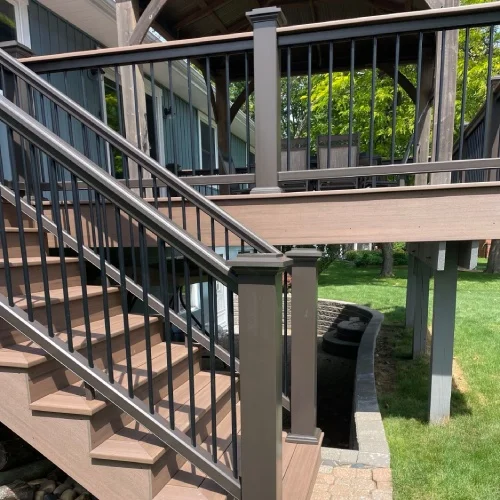
Deck railings play both a structural and a visual role. They affect safety, appearance, and how open your space feels.
Common railing choices include:
Composite Railings
Durable, low-maintenance, and color-consistent.
Metal Railings
Strong, clean-lined, and long-lasting.
Cable Railings
Minimalist design that preserves sightlines.
In Michigan, durability is just as important as style. Rail systems should hold up through wind, moisture, and seasonal temperature changes without loosening or corroding.
Step 5: Planning for Seasonal Use
Many homeowners assume decks are only useful in summer. With thoughtful design, they can be comfortable for much more of the year.
Consider features like:
- Covered sections for shade and rain protection
- Built-in seating that doesn’t need storage
- Outdoor heaters or fire features
- Wind barriers or privacy walls
Planning for shoulder seasons can dramatically increase how often you use your deck.
Step 6: Foundation and Structural Considerations
The part of a deck you don’t see is often the most important.
In Michigan, footings must typically extend below frost depth. This prevents shifting caused by freezing and thawing soil.
Proper structural planning includes:
- Correct joist spacing
- Moisture-resistant hardware
- Secure ledger attachment to the home
- Adequate support beams
Shortcuts at this stage often lead to sagging or movement later.
Step 7: Lighting and Electrical Planning
Lighting is easier and more cost-effective to install during construction rather than after.
Common lighting options:
- Stair illumination
- Post cap lights
- Under-rail lighting
- Perimeter glow lighting
These features improve safety while also making your deck usable after dark — especially important during Michigan’s shorter fall evenings.
Step 8: Storage and Skirting Options
The space beneath your deck doesn’t have to go unused.
Skirting can:
- Hide structural framing
- Protect against animals
- Provide a finished look
Some homeowners also add hidden storage areas for:
- Outdoor cushions
- Tools
- Seasonal items
This is especially useful for homeowners who rotate outdoor items throughout the year.
Step 9: Budget Planning
The cost to build a deck in Michigan can vary widely depending on several factors, including:
- Size
- Height off the ground
- Material selection
- Design complexity
- Custom features or upgrades
What Does It Cost to Build a Deck in Michigan?
While every project is different, most homeowners in Michigan can expect general price ranges like these:
Estimated Deck Cost Ranges (Michigan Average)
- Basic ground-level deck: $25–$45 per sq ft
- Standard raised deck: $45–$75 per sq ft
- Premium or custom deck: $75–$120+ per sq ft
Projects with specialty designs, such as a multi-level deck or a curved deck, typically fall toward the higher end of the range because they require additional framing, labor, and planning time.
What Impacts Deck Cost the Most?
Some features have a bigger effect on price than others:
Material Choice
Composite decking costs more upfront than wood, but many homeowners choose it for its long-term durability and reduced maintenance.
Elevation
The higher the deck sits off the ground, the more structural support and safety components are required.
Stairs + Railings
Railings, especially metal or cable systems, can significantly affect total cost.
Site Conditions
Sloped yards, soil conditions, or limited access can add labor time.
What Should I Include in My Deck Budget?
When planning to build a deck in Michigan, make sure your budget includes:
- Materials
- Labor
- Permit fees
- Site preparation or demolition
- Footings and foundation work
- Lighting or electrical additions
- Optional upgrades and built-ins
Planning for these upfront helps prevent surprises once construction begins and keeps your project moving smoothly.
A Practical Tip From Local Experience
Homeowners who set aside a small contingency budget (usually around 10–15% of the project cost) tend to have the smoothest experience. It provides flexibility if design adjustments or site conditions change during construction.
Step 10: Choosing the Right Contractor
A deck is only as good as the people building it. Experience matters, especially in climates like Michigan’s.
Look for a contractor who:
- Understands local building codes
- Communicates clearly
- Provides realistic timelines
- Keeps job sites clean
- Uses quality materials
Working with a local professional also means they understand regional conditions that affect long-term performance.
Common Mistakes to Avoid When Building a Deck
Homeowners sometimes rush into construction without fully planning. Here are common pitfalls:
Underestimating space needs
Decks often end up smaller than expected once furniture is added.
Ignoring the sun direction
Placement affects comfort throughout the day.
Choosing materials based only on price
Lower-cost options can require more maintenance later.
Skipping design planning
A deck should complement your home, not feel like an afterthought.
Design Ideas That Add Value
If you want your deck to stand out, consider features that combine function and appearance:
- Built-in planters
- Bench seating
- Integrated lighting
- Privacy panels
- Outdoor kitchen zones
Thoughtful additions can turn a simple platform into a complete outdoor living area.
When Is the Best Time to Build a Deck in Michigan?
Spring through early fall is typically deck-building season in Michigan, but the smartest projects usually start long before construction begins. Because weather and ground conditions play a major role in scheduling, timing your planning phase can make the entire process smoother.
Many homeowners begin design conversations during winter so they’re ready to build as soon as the ground thaws. Starting early often means better scheduling flexibility and more time to finalize layout, materials, and permits without rushing decisions.
How Does Each Season Affect Deck Construction?
Understanding Michigan’s seasonal conditions can help you choose the right timeline for your project.
Winter — Planning Season
Cold temperatures and frozen ground make outdoor construction difficult, but winter is ideal for:
- Designing your layout
- Comparing materials
- Setting a realistic budget
- Securing permits
- Booking your contractor’s schedule
Homeowners who plan in winter are usually first in line when spring construction begins.
Spring — Prime Build Window Opens
As soon as frost leaves the ground, deck projects begin. Spring is one of the most popular times to build because:
- Soil is workable for footings
- The weather is generally mild
- You can enjoy the deck all summer
Because demand increases quickly, contractors’ schedules often fill early in the season.
Summer — Peak Construction Season
Summer is the busiest time for deck building in Michigan. Longer daylight hours allow crews to work efficiently, and consistent weather reduces delays.
However, this is also when scheduling can be tight. Projects started in the summer may require longer lead times depending on contractor availability.
Fall — Often the Hidden Sweet Spot
Early fall is an underrated time to build a deck. Conditions are often:
- Cooler
- Drier
- Less humid
Contractor availability may also open up compared to summer. Building in fall means your deck is ready to enjoy the following spring without waiting through peak season.
Does Early Planning Make a Difference?
The biggest advantage homeowners gain by starting early is flexibility. Planning ahead allows time to:
- Adjust design details
- Explore layout options like multi-level decks
- Consider custom features such as curved deck sections
- Order specialty materials
Rushed planning can lead to limited choices or longer wait times. Taking time upfront usually results in a smoother build and a better finished product.
Local Insight
Across Port Huron and surrounding SE Michigan communities, homeowners who contact a contractor several months before they want to build tend to have the easiest experience. They have more scheduling options, fewer weather-related delays, and more freedom to refine their design before construction begins.
Maintenance Tips for Michigan Decks
Keeping your deck in good shape doesn’t have to be complicated. With Michigan’s seasonal weather shifts, a little routine care goes a long way toward protecting your investment and extending the life of your outdoor space.
What’s a Good Routine Deck Maintenance Checklist?
Plan to check on your deck a few times each year, especially in spring and fall. Regular upkeep should include:
- Clearing debris: Leaves, dirt, and organic buildup can trap moisture against decking boards. Over time, that moisture can lead to staining, surface wear, or mold growth.
- Washing surfaces: A gentle wash with soap and water removes pollen, grime, and environmental residue. For most decks, a soft brush or low-pressure rinse works best. Avoid harsh pressure washing, which can damage surfaces if done incorrectly.
- Checking fasteners annually: Temperature swings in Michigan cause expansion and contraction. Inspect screws, nails, and brackets to make sure nothing has loosened or shifted.
- Inspecting railings and stairs: Railings should feel solid and secure, not wobbly. Stairs should be stable and evenly supported. Addressing small issues early prevents larger repairs later.
How Should I Care for My Deck Each Season?
Each season brings different challenges for decks in our region:
Spring: Check for winter damage, loose boards, or shifting caused by frost movement.
Summer: Clean surfaces and monitor for sun fading or dryness, especially with wood decks.
Fall: Remove leaves regularly to prevent moisture buildup before winter.
Winter: Avoid using metal shovels or harsh ice melt products that could scratch or damage decking materials.
Wood vs Composite Deck Maintenance
Different materials require different care routines.
Wood Decks
- May need resealing or staining every 2–3 years
- Require occasional sanding if surfaces roughen
- Benefit from annual inspections for moisture damage
Composite Decks
- Typically, only need occasional cleaning
- Resist splintering and cracking
- Don’t require staining or sealing
Many Michigan homeowners choose composite materials like TimberTech for its lower maintenance needs, especially when they want a deck that stays consistent in appearance through changing seasons.
Does Regular Deck Maintenance Really Matter?
The most common deck issues we see locally aren’t caused by age — they’re caused by skipped maintenance. Loose fasteners, trapped moisture, and unnoticed structural movement can gradually affect stability if ignored.
A quick inspection a few times a year helps catch problems early, when they’re easy and inexpensive to address.
How Decks Improve Home Value
Outdoor living spaces are one of the most requested features among buyers. A well-built deck can:
- Increase usable living space
- Improve curb appeal
- Enhance resale value
More importantly, it improves day-to-day enjoyment while you live in the home.
FAQs About Building a Deck in Michigan
How long does it take to build a deck in Michigan?
Most projects take anywhere from one to three weeks, depending on size, design complexity, and permitting.
Are curved decks more expensive?
Yes, curved framing requires more labor and precision, which can increase cost.
Do multi-level decks require more maintenance?
Not necessarily. Maintenance depends more on materials than layout.
What’s the best decking material for Michigan weather?
Many homeowners prefer composite because it resists moisture and temperature-related expansion.
Do I need inspections after construction?
Most municipalities require final inspections before the deck can be officially approved.
Build It Right the First Time: Planning Makes All the Difference
When you build a deck in Michigan, long-term performance comes down to thoughtful planning. Layout, materials, structural support, and added features all work together to determine how your deck looks, feels, and holds up over time. A well-planned deck doesn’t just enhance your backyard; it becomes a dependable extension of your home that you can use comfortably throughout the seasons.
Whether you’re envisioning a simple platform deck, a multi-level deck for entertaining, or a custom curved deck design that adds architectural interest, working with an experienced local builder makes the process easier and more predictable. Homeowners across Port Huron and SE Michigan consistently find that local expertise matters — especially when it comes to soil conditions, permits, and seasonal construction timing.
If you’re ready to start planning a deck that’s built for both Michigan weather and real-life use, the next step is simple.
Request a quote from Union Properties and connect with a team that focuses on clear communication, solid craftsmanship, and results designed to last.