
Fiber cement is the tougher, more premium option. Vinyl siding costs less up front and needs less upkeep. For most Michigan homes, the right choice depends on your budget, how exposed your home is to wind and weather, and how long you plan to stay.
Quick recommendation:
- Choose vinyl siding if you want a lower upfront cost, very little routine maintenance, and a clean, updated exterior.
- Choose fiber cement siding if you want better impact resistance, a more solid wood-like look, and you plan to stay in the home for many years.
At Union Properties, we believe this decision should be made with practical information, not pressure. Here is how the two materials compare.
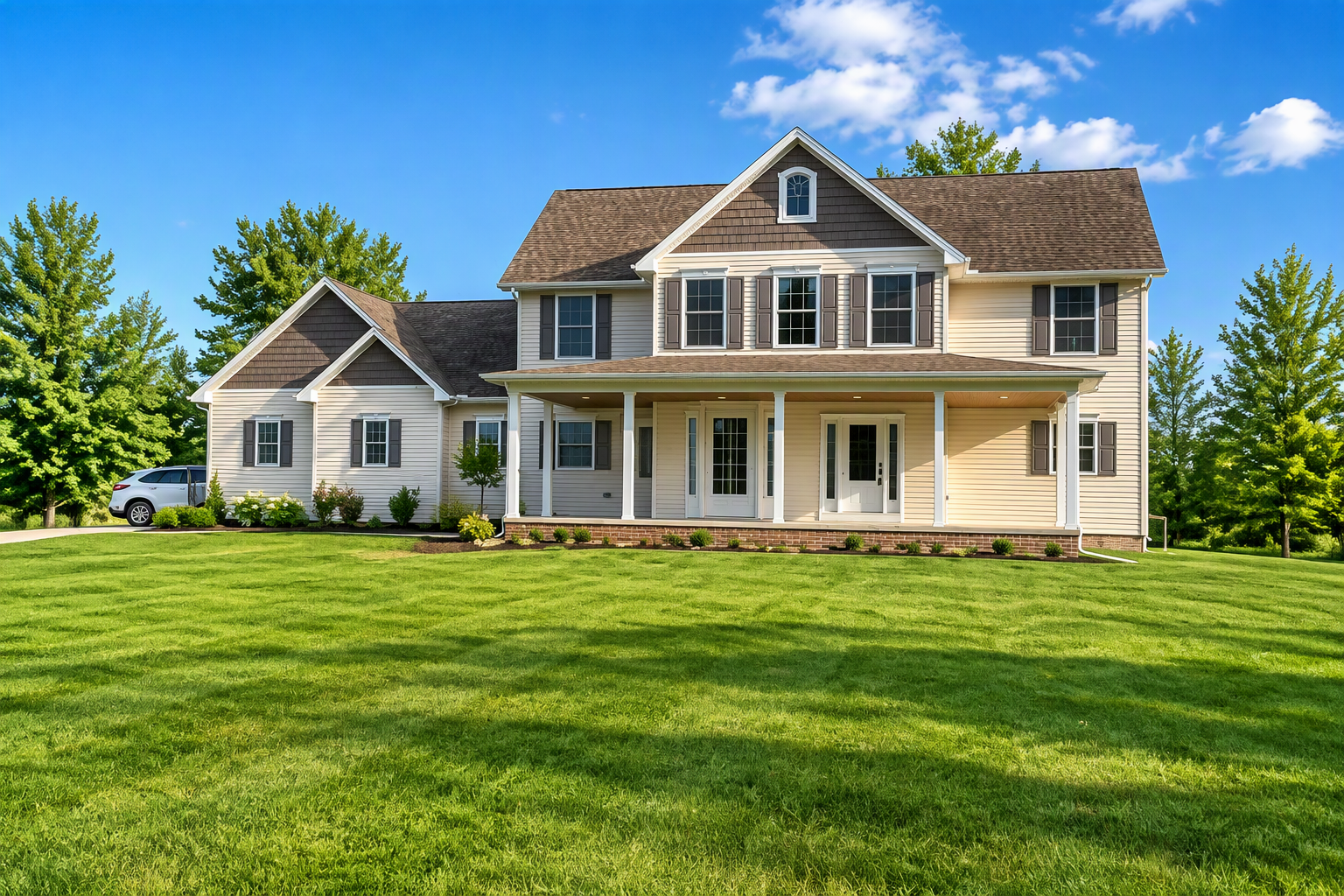
The Difference Between Fiber Cement Siding and Vinyl Siding
The main difference is the material itself.
Vinyl siding is made from PVC plastic. It is lightweight, widely available, and one of the more affordable siding options on the market. Product quality matters too, since lower-grade vinyl is more likely to crack, fade or come loose.
Fiber cement siding is made from a blend of cement, sand, and cellulose fibers. It is heavier, harder to damage, and often chosen for its substantial feel and wood-like appearance. It’s popular on homes where texture and architectural detail matter.
This table compares fiber cement vs vinyl siding for Michigan homes across several factors:
| Factor | Vinyl Siding | Fiber Cement Siding |
|---|---|---|
| Upfront Cost | Lower | Higher |
| Routine Upkeep | Occasional washing | Periodic painting or touch-ups |
| Impact Resistance | Can crack, especially in cold weather | Stronger |
| Rot and Insects | Resists both | Resists both |
| Fire Resistance | Lower | Higher |
| Look and Feel | Clean, lighter, wider color range | Solid, wood-like |
| Installation | Faster, lighter work | Heavier, skilled installation |
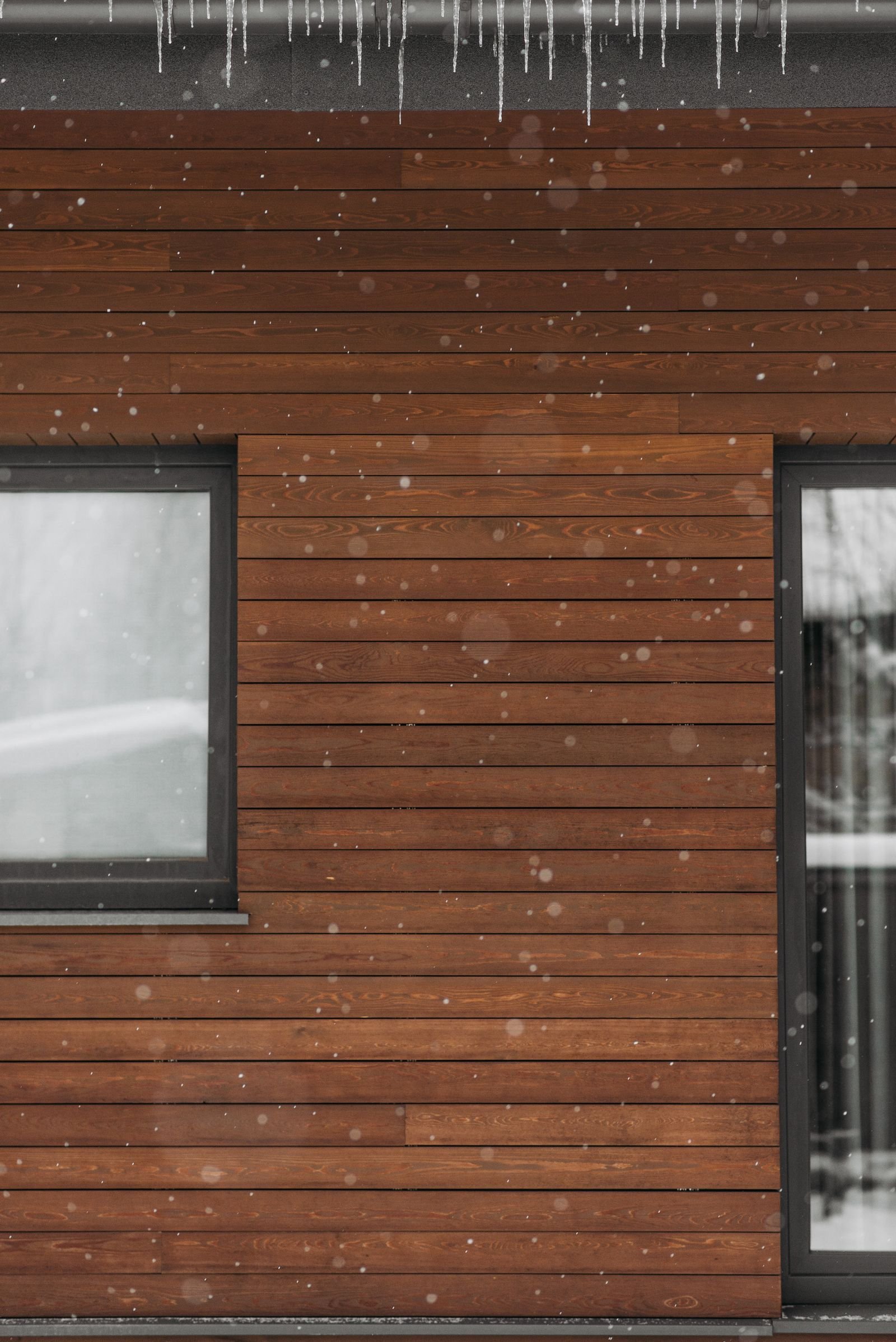
How Michigan Winters Affect Fiber Cement and Vinyl Siding
Freeze-thaw cycles, heavy snow, and wind off Lake Huron and the St. Clair River put real stress on a home’s exterior. Each material handles that stress differently.
Vinyl Siding in Cold Weather
Vinyl expands in summer heat and shrinks in winter cold. It has to be hung loosely so it can move. When panels are nailed too tight, they can buckle or warp.
Vinyl can also become more brittle in deep cold. A chunk of ice off the roof or a stray snowblower rock is more likely to crack a panel in January than in July.
Fiber Cement in Cold Weather
Fiber cement holds its shape better through temperature swings. Its weak spot is moisture, so details like sealed cut edges and proper clearance from roofs and the ground matter.
Some manufacturers make products for cold climates. For example, James Hardie’s HZ5 product line is built for freezing temperatures, snow, and ice.
For homes on open lots or near the lakeshore, installation quality often matters as much as the material you choose.
Which Lasts Longer in Michigan: Fiber Cement or Vinyl Siding?
In general, fiber cement is seen as the longer-lasting and tougher material. Vinyl is known for its affordability and easy maintenance.
That doesn’t mean every home should default to fiber cement. A well-installed vinyl siding system can still perform very well and give homeowners a strong return in appearance and protection.
The better question isn’t just which one lasts longer. It is which one fits your priorities.
The Cost of Fiber Cement vs Vinyl Siding
Fiber cement usually costs more than vinyl because the material is heavier and takes more labor to install. Your final price depends on:
- The size and layout of your home
- The product line and style you choose
- Removal of old siding
- Repairs to sheathing or framing found once old siding comes off
- Trim, soffit, and other finish details
- Access around the home
Hidden damage behind old siding can change the scope, so a site visit is the only way to get a real number. Union Properties also offers financing through Service Finance Company for homeowners who want to explore payment options.
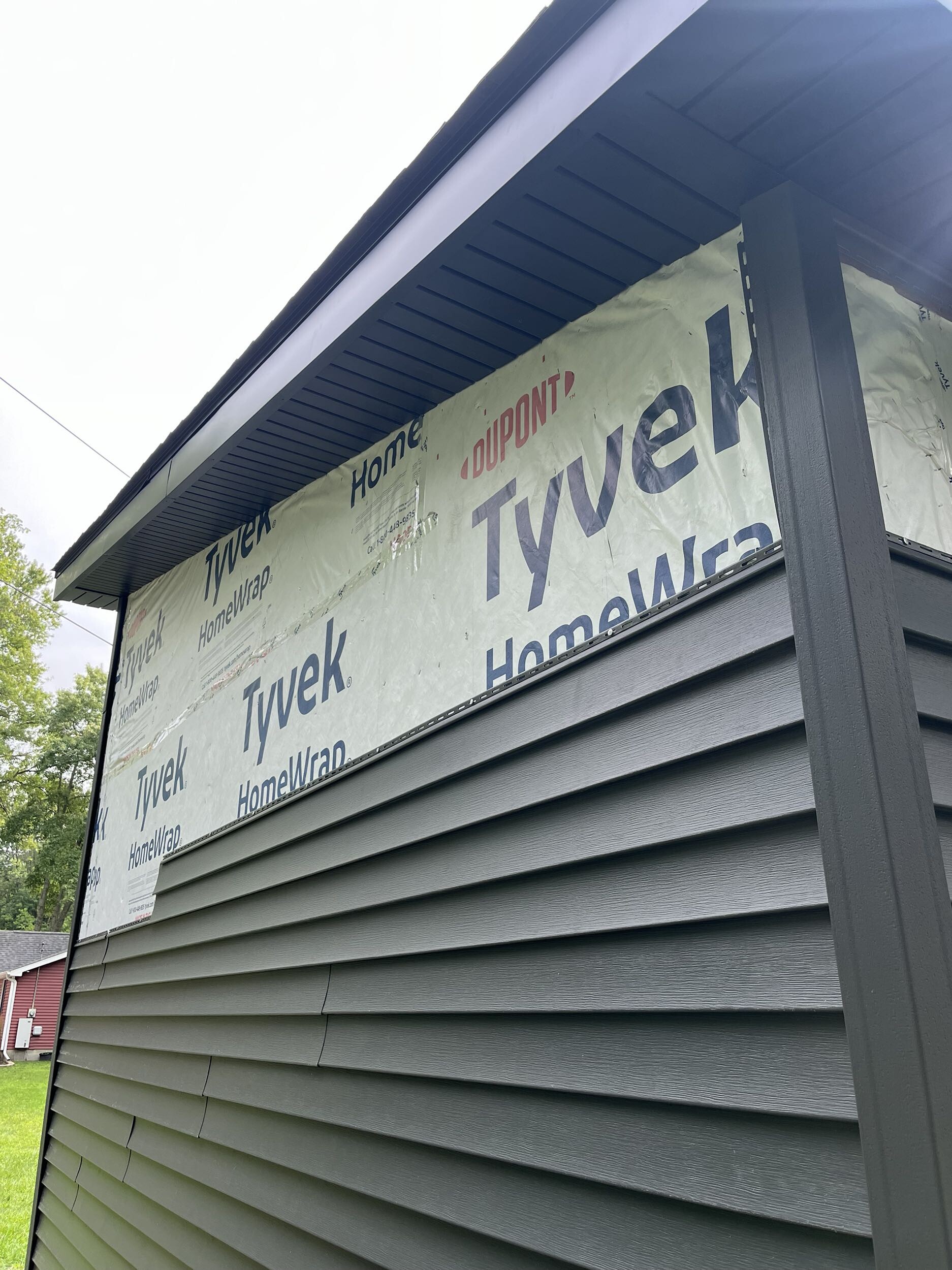
How to Choose Between Fiber Cement and Vinyl Siding for Your Home
A good siding decision usually comes down to a few questions:
- How long do you plan to stay in the home?
- How much upkeep are you comfortable with?
- Does your home face strong wind, ice, or lake exposure?
- Do you want a budget-friendly update or a more premium look?
Your current exterior matters too. A house with more exposure to wind and moisture may not need the same solution as one in a sheltered setting. For more on materials and planning, read The Ultimate Guide to Siding.
Talk Through Your Siding Options With Union Properties
Siding looks like a simple choice at first, but it affects how your home performs for years. The right answer depends on your goals, your budget, and the condition of the home itself.
Union Properties is a family-run team serving Port Huron, St. Clair, Marysville, Lexington, and surrounding Southeast Michigan communities. Learn more about our team and how we work.
Planning a siding update? Request a quote and tell Union Properties about your project. We’re happy to walk through your options and help you choose what makes sense for your home.
Fiber Cement vs Vinyl Siding FAQs
Is fiber cement or vinyl siding better for Michigan winters?
Both can work well when installed correctly. Fiber cement handles impact and temperature swings better, while vinyl costs less and needs less upkeep.
Can vinyl siding crack in cold weather?
Yes. Vinyl can become more brittle in very cold temperatures, so impacts from ice or debris are more likely to crack it in winter.
Do Michigan summers affect siding?
Yes, but less than winter does. Summer sun can fade vinyl over time, especially darker colors, and wear down the paint on fiber cement. Vinyl also expands in the heat, so it needs to be installed loosely enough to move without buckling or warping.
Does fiber cement siding need to be painted?
Primed boards need paint after installation. Factory-finished boards come ready to go, but any painted surface will eventually need touch-ups or repainting.